
Summary
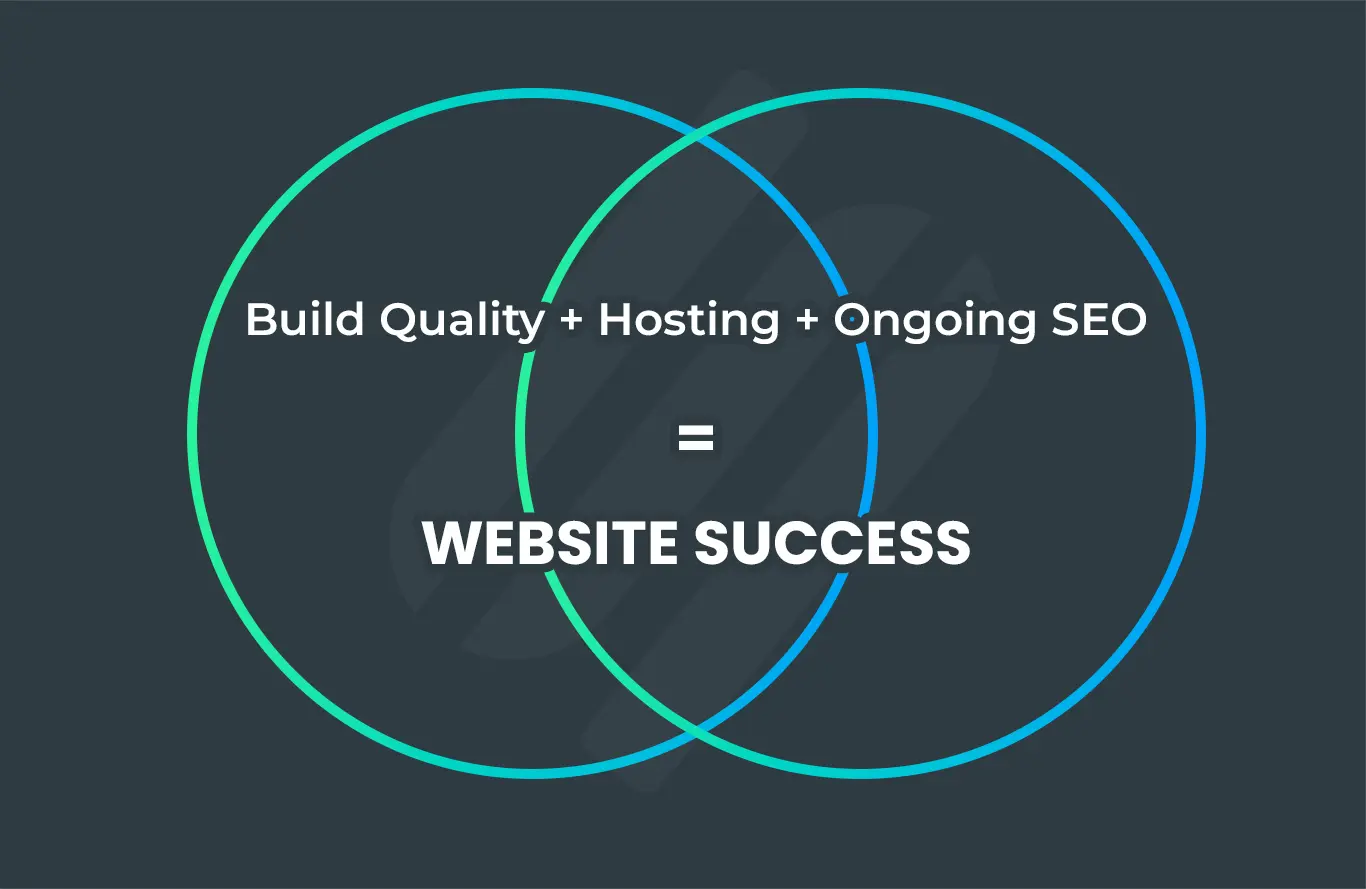
This post answers the question many business owners ask but rarely get a clear answer to: which website hosting is best. Rather than focusing on price or marketing promises, it explains what actually matters when hosting a business-critical website, including performance, security, proactive monitoring, and expert support. Drawing on real-world experience from CMS Live, the article highlights the risks of cheap shared hosting and the benefits of managed hosting that’s actively maintained by people who understand every technical layer of a website. It’s written to help business owners make confident, informed hosting decisions that support long-term stability and growth.
You will learn
- How to tell the difference between cheap hosting and business-grade hosting
- What actually makes website hosting reliable, secure, and stress-free
- Why managed hosting with expert support matters for growing businesses
If you type which website hosting is best into Google, you’ll quickly notice a pattern. Almost every result promises unlimited features, bargain pricing, and effortless setup.
However, after years of running and securing business websites, I can tell you something important:
The best website hosting isn’t the cheapest. It’s the one that quietly prevents problems before they affect your business.
This article is written for business owners who rely on their website to generate enquiries, sales, and trust – not stress. More importantly, it’s for those who want hosting handled by people who understand every technical layer involved.

Why price comparisons don’t answer the real question
At first glance, hosting comparisons focus on surface-level details. Disk space, bandwidth, and monthly cost tend to dominate the conversation.
In practice, those numbers rarely tell you what you actually need to know.
Instead, a more useful question is this:
Who is responsible when something goes wrong with your website?
Because when hosting fails, the impact is immediate. Pages stop loading, emails fail, and customers disappear. As a result, downtime quickly becomes a business problem, not just a technical one.
What business owners actually need from website hosting
Over time, we’ve seen a clear pattern at CMS Live. The businesses that struggle with hosting are usually missing the same fundamentals.
Below are the key areas that separate “fine for now” hosting from hosting that genuinely supports a business.
Proactive technical management – not just server space
First and foremost, good hosting is not a storage product. It’s an ongoing service.
With CMS Live hosting, we actively manage:
-
Server health and resource usage
-
Traffic behaviour and anomalies
-
Performance issues before they become visible problems
Crucially, this includes manual log analysis, not just automated alerts. By cross-referencing traffic logs with server logs, we often detect malicious behaviour long before it triggers obvious errors.
You can see how this is built into our platform here:
Web Hosting Infrastructure
Security that’s configured properly, not assumed
Next, security deserves far more attention than it usually gets.
Many hosts rely on default configurations and one-size-fits-all tools. Unfortunately, those setups tend to fail when sites are actively targeted.
By contrast, secure business hosting should include:
-
Server-level firewalls and hardening
-
Custom security rules based on real-world threats
-
Regular reviews of access patterns and vulnerabilities
We’ve covered this in more detail here, including the right questions to ask any hosting provider:
7 Security Questions to Ask for Secure Website Hosting
If a host can’t answer those questions clearly, that’s worth paying attention to.
Support from people who already know your website
Another major pain point for business owners is support. More specifically, the lack of it.
Too often, support means:
- Re-explaining the same issue repeatedly
- Waiting days for a response
- Speaking to someone who’s never seen your site before
At CMS Live, hosting and support are deliberately linked. Because we host the sites we build and manage, we already understand:
- How your website is structured
- What changes have been made
- Which dependencies and integrations are in play
As a result, issues are resolved faster and with far less friction. Our approach to this is outlined here:
Website Technical Support
Shared hosting vs managed hosting – what’s actually best?
At this point, it’s worth addressing one of the most common sources of confusion.
Why shared hosting often causes hidden problems
Shared hosting places hundreds of websites on the same server. While this keeps costs low, it also introduces risk.
For example:
-
One compromised site can affect others
-
Performance fluctuates based on neighbour activity
-
Security issues are harder to isolate
For hobby sites, this may be acceptable. For established businesses, it usually isn’t.
Why managed hosting is better suited to businesses
Managed hosting takes a different approach.
Typically, it means:
-
Fewer sites per server
-
Active monitoring and maintenance
-
Human oversight instead of pure automation
This is the model CMS Live uses for all business hosting clients:
Website Hosting Services
Although it costs more than entry-level hosting, it significantly reduces risk. In the long run, that trade-off makes sense for most businesses.
A real-world example from CMS Live hosting
To make this more concrete, here’s a common scenario.
When one of our hosted sites shows unusual behaviour, we don’t wait for downtime or customer complaints. Instead, we investigate early.
That process usually involves:
-
Reviewing recent traffic patterns
-
Comparing access logs against known attack signatures
-
Applying targeted firewall rules where needed
As a result, many potential issues are resolved quietly in the background. Clients often never notice because the problem never escalates.
That’s the difference experience makes.
Switching hosting without breaking your website
Despite poor performance or support, many businesses stay put. Understandably, they worry about downtime or lost data.
However, a properly managed migration removes most of that risk.
A responsible hosting provider will handle:
-
Pre-migration checks and testing
-
DNS timing and propagation
-
Post-move verification
If you’re considering a move, this guide explains what “done properly” actually looks like:
Switch to Premium Hosting
Hosting is also about long-term continuity
Beyond day-to-day performance, hosting should support business continuity.
That includes planning for:
-
Server failures
-
Security incidents
-
Unexpected outages
For this reason, we offer a dedicated Website Care & Continuity Service alongside hosting:
Website Care Continuity Service
In other words, it’s about resilience, not just uptime.
So, which website hosting is best?
Ultimately, the answer depends on what you value.
For business owners who want:
-
Stability over gimmicks
-
Security over shortcuts
-
Support from people who know their website inside out
Managed, proactive hosting is the best choice.
That’s exactly how CMS Live approaches hosting.
You can also explore the wider infrastructure behind our services here:
www.cmslivehosting.co.uk
Frequently asked questions about website hosting
▸Which website hosting is best for small businesses?
▸Is cheap hosting always a bad idea?
▸Should my web designer also host my website?
▸How do I know if my current hosting is holding me back?
A sensible next step
If you’re still asking which website hosting is best for your business, the next step doesn’t have to be drastic.
Start by understanding what good hosting should include.
You can review our approach here:
👉 https://www.cmslive.co.uk/website-hosting-services/
Or, if you’re considering a move, this explains how to do it safely:
👉 https://www.cmslive.co.uk/switch-to-premium-hosting/
No pressure. Just clarity – and fewer surprises down the line.