
Summary
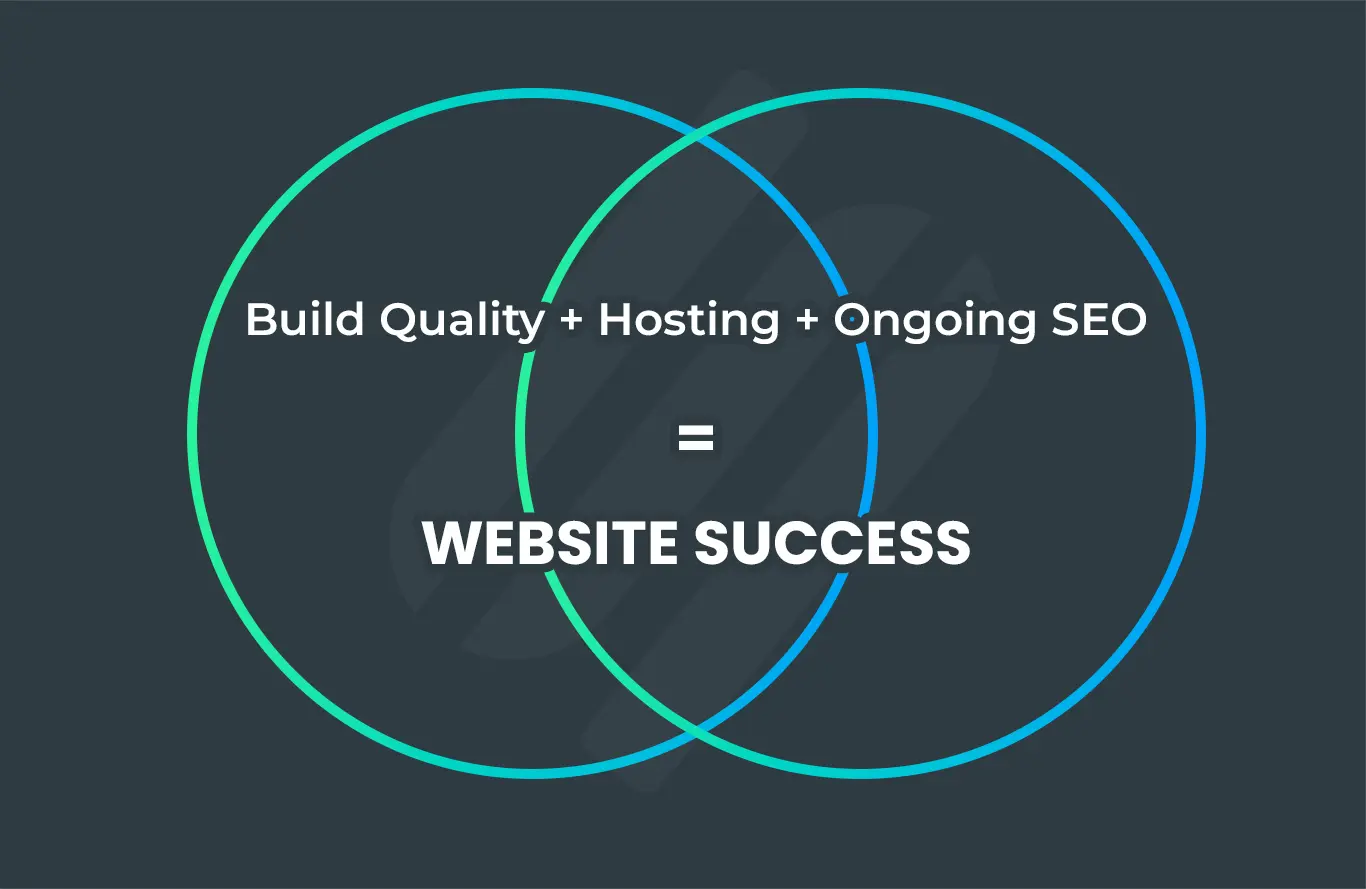
A well-structured website design brief is essential for ensuring your project runs smoothly and meets your business goals. In this post, we break down exactly how to write a website design brief that helps you communicate your vision clearly to your web designer. You’ll learn what key details to include, such as your business background, target audience, website goals, design preferences, and required features. We also cover important factors like SEO, website performance, and ongoing support to help you get the best results. By following these steps, you’ll set the foundation for a successful website that looks great, performs well, and delivers real value for your business.
You will learn
- How to write a website design brief that clearly outlines your goals and requirements.
- Key elements to include for a smooth project.
- How a strong brief helps your designer create the perfect site.
A well-crafted website design brief is the foundation of a successful project. It helps you clarify your vision, communicate your needs, and ensure your web designer understands your goals from the start.
At CMS Live, we work closely with business owners to create websites that not only look great but also perform well and deliver results. A strong brief ensures we’re aligned from the outset, saving time, avoiding misunderstandings, and keeping your project on track.
If you’re planning a new website, here’s everything you need to include in your website design brief to get the best possible outcome.
Why You Need a Website Design Brief
Think of a website brief as the blueprint for your project. Without it, your designer has to make assumptions about your business and what you need - leading to delays, revisions, and possible frustration on both sides.
A great website brief will:
✔ Help you clarify your goals.
✔ Ensure your designer understands your brand.
✔ Prevent scope creep and unexpected costs.
✔ Keep the project timeline realistic.
Let’s break down what your brief should include.
1. About Your Business
Start with an overview of your company. Your web designer needs to understand what you do, who you serve, and what sets you apart. Include:
-
Your business name and website (if you have one).
-
A short description of your company, industry, and target audience.
-
Your unique selling points - what makes you different?
-
Key competitors and what you like or dislike about their websites.
This information helps your designer create a site that truly reflects your brand and appeals to your customers.
2. Your Website Goals
Every website should have a purpose. Are you looking to:
-
Generate more leads and enquiries?
-
Sell products online?
-
Improve your brand presence?
-
Provide better customer service?
Clearly outline your primary objectives. If possible, add measurable goals like “increase contact form submissions by 30%” or “double online sales within six months.”
If your current website isn’t working for you, explain why. This helps your designer identify problem areas and suggest improvements.
3. Target Audience
Your website needs to be built with your ideal customers in mind. Provide details about:
-
Who they are (demographics, interests, pain points).
-
How they typically find your business (Google search, social media, referrals).
-
What problems they need solving when they visit your site.
The better your designer understands your audience, the more effective your website will be.
4. Website Features & Functionality
What do you need your website to do? Consider:
-
Navigation & Structure: How many pages do you need? A typical business site includes Home, About, Services, Blog, and Contact pages.
-
Calls to Action: What do you want visitors to do? Fill out a form? Call you? Buy a product?
-
Ecommerce Features: If you’re selling online, what products do you offer? Do you need payment gateways like PayPal or Stripe?
-
Integrations: Do you need your website to connect with a CRM, email marketing software, or booking system?
-
Security & Compliance: Will your site handle personal data? If so, GDPR compliance and SSL certificates are a must.
It’s okay if you’re unsure about some features—we can help you decide what’s essential.
Explore our website design services
5. Content & Branding
Great design is only half the equation—your content plays a huge role in engaging visitors. Let us know:
-
Who is providing the content? Do you need help with copywriting, or do you have content ready?
-
Do you have branding in place? This includes logos, colour schemes, and fonts.
-
What tone of voice do you want? Formal, friendly, professional, or conversational?
If you need content creation, we offer content support and website maintenance to ensure your messaging is clear, compelling, and optimised for SEO.
6. Design Preferences
While we’ll guide you on best practices, it’s helpful to know your preferences. Share:
-
Websites you like and why (colours, layouts, features).
-
Websites you dislike and what doesn’t work for you.
-
Any specific styles or branding guidelines you want to follow.
This gives us a clearer picture of what appeals to you and ensures we’re heading in the right direction.
7. SEO & Performance
A great website isn’t just about looks - it needs to perform well too. Key considerations:
-
Do you need SEO-optimised content to rank higher on Google?
-
Will you be blogging regularly to drive traffic?
-
Are you targeting local, national, or international customers?
We build websites with SEO in mind, ensuring fast load times, mobile responsiveness, and clean code. For ongoing SEO and growth, our digital marketing services can help boost your visibility.
8. Timeline
Let us know your preferred launch date. If you have a strict deadline (e.g., a product launch or event), we can plan accordingly.
9. Website Hosting & Maintenance
Once your website is live, it needs ongoing support to stay secure and perform well. Consider:
-
Hosting: Will you need reliable, managed hosting? CMS Live Hosting ensures your site is fast, secure, and backed up regularly.
-
Ongoing Maintenance: Websites require updates, security patches, and fresh content to stay effective. Learn more about our website support and maintenance.
Investing in proper hosting and maintenance ensures your site stays online, secure, and up to date.
10. Contact & Next Steps
Finally, let us know who will be the main point of contact for the project.
Once your brief is complete, send it over to us, and we’ll arrange a consultation to discuss your project in detail.
Get in touch with CMS Live today!
Final Thoughts
Writing a website design brief doesn’t have to be complicated. By covering these key areas, you’ll help your web designer understand your vision and create a site that delivers results.
Need help refining your brief? We’re happy to guide you through the process. Whether you need a new business website or a fully-fledged ecommerce platform, we’ll make sure your project runs smoothly from start to finish.