Summary
Ensuring your WordPress website is secure is crucial for protecting your business from cyber threats. This guide covers essential security measures, including keeping WordPress, themes, and plugins updated, using strong passwords with two-factor authentication, and avoiding common vulnerabilities like the default “admin” username. It also explores the importance of limiting login attempts, enabling a Web Application Firewall (WAF), and disabling XML-RPC when not needed. Additionally, choosing a fully managed hosting provider like CMS Live ensures expert security management, while regular backups provide a safety net in case of an attack. Implementing these best practices will help keep your website safe, functional, and running smoothly.
You will learn
- Essential steps to improve WordPress website security.
- How to prevent brute-force attacks and unauthorised access.
- Why managed hosting enhances website protection.
If your business relies on a WordPress website, keeping it secure should be a top priority. Cyber threats are constantly evolving, and outdated security measures can put your website - and your business - at risk. Fortunately, with the right approach, you can significantly reduce the chances of a security breach while keeping your website running smoothly.
In this guide, we’ll cover essential WordPress website security measures that every business owner should implement.
1. Keep Everything Updated
WordPress regularly releases updates to patch security vulnerabilities and improve performance. Keeping your WordPress core, themes, and plugins up to date is one of the simplest yet most effective ways to keep your site secure. If updates aren’t managed properly, your site could be exposed to known exploits.
Best practice: Enable automatic updates where possible and regularly review your plugins to remove anything unnecessary or outdated.
2. Use Strong Passwords & Two-Factor Authentication (2FA)
Weak passwords are an open invitation for hackers. Your WordPress admin, hosting account, and database should all have unique, complex passwords.
Better still: Implement two-factor authentication (2FA) for an extra layer of security. This ensures that even if a password is compromised, an attacker still can’t access your website without the second authentication factor.
3. Avoid the Default “Admin” Username
If your WordPress admin username is still “admin,” change it immediately. Hackers target this default username in brute-force attacks. Instead, use a unique and unrelated username that makes it harder for attackers to guess.
4. Limit Login Attempts & Enable Brute Force Protection
Many hacking attempts involve automated scripts that repeatedly try different password combinations. To prevent this:
-
Limit failed login attempts before temporarily blocking an IP.
-
Use security plugins like Wordfence or iThemes Security, which offer brute-force protection and monitoring.
5. Secure Your Website with a Web Application Firewall (WAF)
A Web Application Firewall (WAF) helps protect your website from malicious traffic by filtering out bad actors before they reach your site. Cloudflare and Sucuri offer reliable WAF solutions that provide an extra layer of security against threats such as DDoS attacks and SQL injections.
6. Disable XML-RPC (Unless You Need It)
XML-RPC is an old feature that allows remote connections to your WordPress website. Unfortunately, it’s also a security risk, as it can be exploited for brute-force attacks.
Recommendation: Disable XML-RPC unless you actively use it for integrations. Many security plugins allow you to do this easily.
7. Secure Your Hosting Environment
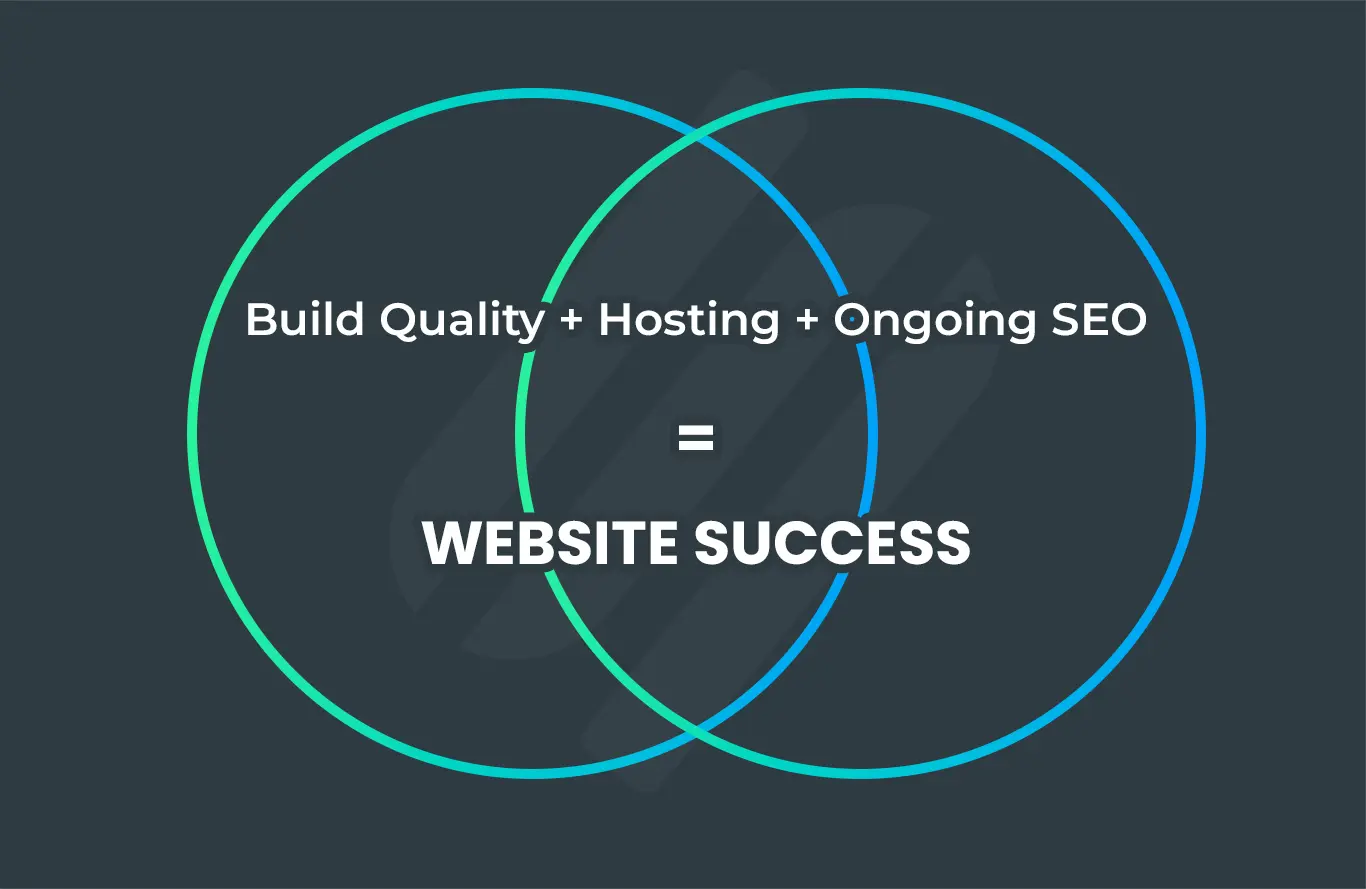
Your website security is only as strong as the hosting it’s built on. Choosing a fully managed WordPress hosting provider means your server is configured for security, updates are handled proactively, and there’s expert support available if something goes wrong.
At CMS Live, we provide fully managed hosting with built-in security features, performance optimisations, and ongoing maintenance - so you can focus on your business while we handle the technical side.
8. Regularly Back Up Your Website
Even with strong security measures in place, having regular backups is essential. If something goes wrong - whether due to a cyber attack or human error - you need to restore your site quickly.
Ensure backups are:
-
Automated and stored securely off-site.
-
Regularly tested for reliability.
Secure Your WordPress Website the Right Way
WordPress security isn’t just about ticking boxes - it’s about having the right team in place to monitor, maintain, and protect your website. At CMS Live, we take website security seriously, offering fully managed hosting, proactive monitoring, and hands-on support to keep your site safe and running at its best.
Need expert help with your WordPress website security? Let’s chat! Call us on 01282 618210 or contact us.