
Summary
Many small business owners are wondering whether it’s still worth investing time and money into Google, especially with AI answers, more ads, and fewer clicks. In this post, Gemma Starkie breaks down what’s changed in search, why organic traffic might be dropping, and what strategies are still worth your attention in 2025. You’ll learn how to refocus your efforts on evergreen content, local SEO, and improving your website’s performance — plus how to reduce your reliance on Google by building a stronger presence elsewhere.
You will learn
- Why Google’s changing search results are impacting small business visibility
- What still works in SEO – and what to stop wasting time on
- How to build a strategy that goes beyond Google and brings in better leads
If you’ve found yourself wondering, "Is Google still worth it for small businesses?" — you’re not alone. I’m hearing this more and more from business owners who feel like they’re doing everything they can online, yet seeing less return than they did a few years ago.
Search has changed. A lot. And if your website is starting to feel invisible, it’s not your imagination.
Let’s dig into what’s going on, why it’s happening, and where small businesses should focus their efforts in 2025 and beyond.
Why Google Feels Like It’s Working Against You
In recent years, several changes have made it tougher for small businesses to get seen:
-
AI Overviews: Google is now answering questions directly at the top of search results. This often means fewer people click through to websites.
-
More Paid Listings: Organic results are getting pushed further down the page, buried under ads, shopping feeds, and map packs.
-
Zero-Click Searches: According to Semrush, over 50% of searches end without a click — especially on mobile.
If your organic traffic is down, it might not be your content that’s the problem — it’s that fewer people are actually clicking.
So... Is Google Still Worth It?
In short: yes — but only if you change how you use it.
Google search is still one of the most powerful tools in your digital marketing toolbox. But the tactics that worked five years ago won’t cut it anymore. Here’s what to focus on instead:
1. Invest in High-Quality, Evergreen Website Content
AI answers will never replace the authority of helpful, relevant, and well-written content on your website — especially when it’s based on your expertise.
If you’re not sure where to start, I recommend reading our post on how often should you publish new website content.
Regularly updated content keeps your site active in Google’s eyes, builds trust with visitors, and gives you more chances to show up for long-tail keywords.
2. Optimise for Local and Long-Tail Search
Big generic keywords are now dominated by big players. But small businesses can still compete in local SEO and long-tail search phrases.
For example:
-
Instead of "wedding photographer," think: "natural wedding photographer in Skipton"
-
Instead of "IT support," try: "IT support for law firms in West Yorkshire"
Longer, more specific phrases may get less traffic — but they’re far more likely to convert.
Need help? Our SEO services are designed specifically for small businesses like yours.
3. Improve Website Experience and Technical SEO
Google still ranks pages based on user experience — including mobile performance, speed, and accessibility. That means your site needs to:
-
Load quickly (ideally under 2.5 seconds)
-
Be mobile-friendly
-
Use proper schema markup
-
Be HTTPS secure
If your website is slow or hard to navigate, Google will down-rank it. At CMS Live Hosting, we take care of the tech behind the scenes so you don’t have to worry.
4. Build a Strong Presence Beyond Google
This is big. We always recommend our clients diversify their digital presence:
-
LinkedIn for B2B networking and expertise
-
Email newsletters to stay top of mind
-
Instagram or Facebook for brand awareness
The goal is to reduce your reliance on Google for every lead or sale. Instead, make your own website and content the hub — with traffic coming from multiple sources.
5. Work With a Digital Partner Who Understands the Landscape
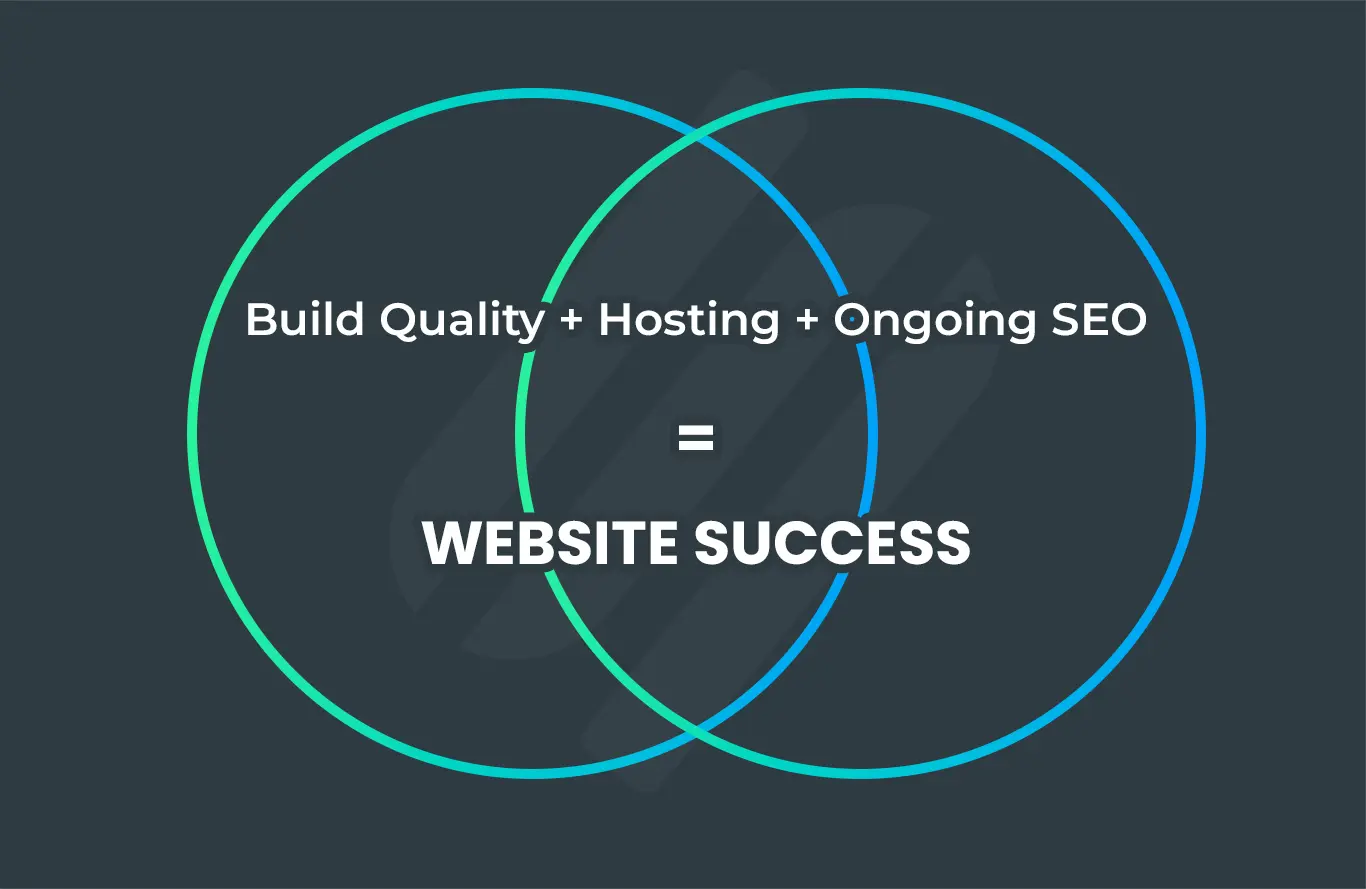
At CMS Live, we don’t just build websites and tick boxes. We help you think strategically about your online presence, so your site performs now and in the future.
We combine SEO, content planning, technical support, and design so everything works together — tailored to you and your business goals.
Want to learn more? Take a look at our full Digital Marketing services or get in touch for a no-pressure chat.
Final Thoughts
If you’re asking "Is Google still worth it for small businesses?" — the answer is yes. But it’s no longer just about ranking #1. It’s about showing up where your customers are, with helpful content, a fast website, and a strategy that goes beyond search.
You don’t have to do it alone. We’re here to help.