
Summary
This post explains why every business needs clear, well-defined marketing campaign objectives to get measurable results. It breaks down six key campaign types — from brand awareness and website traffic to engagement, lead generation, sales conversions, and customer retention — showing when and how to use each one effectively. Readers learn what outcomes to expect, how to track performance, and why website speed and secure hosting play a crucial role in campaign success. Packed with practical advice, it helps business owners plan smarter, more strategic marketing that drives real growth.
You will learn
- How to set clear marketing campaign objectives that align with business goals.
- What results to expect from each campaign type — from awareness to retention.
- How to measure success and strengthen performance through better website and hosting support.
Why Clear Campaign Goals Matter
When a business runs a marketing campaign without clear objectives, it’s a bit like driving without a map — you’re moving, but not necessarily in the right direction. Whether you’re promoting your website, launching a new product, or simply trying to increase awareness of your brand, understanding your marketing campaign objectives is what keeps your efforts focused and measurable.
At CMS Live, we see this all the time: business owners invest in online ads, social media, or SEO but don’t define what success looks like. Without clear goals, you can’t measure impact — and that often leads to frustration, wasted spend, and missed opportunities.
In this post, we’ll explore the most common marketing campaign objectives, what to expect from each, and how to align them with your wider website and brand strategy.
1. Brand Awareness Campaigns
Goal: Get your business seen and remembered.
These campaigns aim to put your brand in front of the right people, often through paid ads, social media, or search visibility. Think of it as planting seeds — people may not buy immediately, but they start recognising your name.
What to expect:
- Increased reach and impressions
- More branded search terms on Google
- Higher website traffic over time
Pro tip: At CMS Live, we often see that clients who invest in brand awareness first (for example, through consistent content creation and SEO) later see stronger conversions because their audience already recognises and trusts them.
Related reading: What is a customer base and effective ways to grow it?
2. Website Traffic Campaigns
Goal: Drive people to your website.
Traffic campaigns are ideal for businesses wanting to showcase their services, increase visibility, and build authority. The success here isn’t just about numbers — it’s about attracting relevant visitors who genuinely need what you offer.
Measure success through:
- Website sessions and page views
- Bounce rate and time on page
- Conversions (form fills, calls, purchases)
CMS Live Tip: A website’s performance depends on more than marketing alone. If your hosting isn’t optimised, even a great campaign can fall flat. Learn how our enterprise-grade secure website hosting keeps campaigns running smoothly with fast, secure uptime.
3. Engagement Campaigns
Goal: Build meaningful interactions.
These campaigns encourage people to like, comment, share, or respond. While engagement might not always lead directly to a sale, it helps you build trust and stay top-of-mind.
Why it matters:
- Algorithms love engagement — it boosts your visibility.
- You learn what your audience cares about most.
- It builds an emotional connection that supports long-term loyalty.
A client once told us that their “likes” didn’t pay the bills. Fair point — but the visibility and goodwill those likes created led to new leads six months later. That’s the compounding power of engagement.
4. Lead Generation Campaigns
Goal: Turn awareness into opportunity.
Lead generation focuses on gathering potential customers’ details — typically through downloads, contact forms, or email sign-ups. This is where you start building relationships that lead to sales.
Success looks like:
- A healthy, GDPR-compliant contact list
- Strong lead quality (not just quantity)
- Consistent follow-up processes
Learn how to build a content strategy that supports your lead funnel in our Digital Marketing services.
5. Sales Conversion Campaigns
Goal: Convert leads into customers.
These are your “bottom-of-the-funnel” campaigns — where the audience is already familiar with you and ready to make a decision. Whether you’re offering an incentive, running retargeting ads, or improving landing pages, conversions are the focus.
Key metrics:
- Conversion rate
- Average order value
- Cost per acquisition
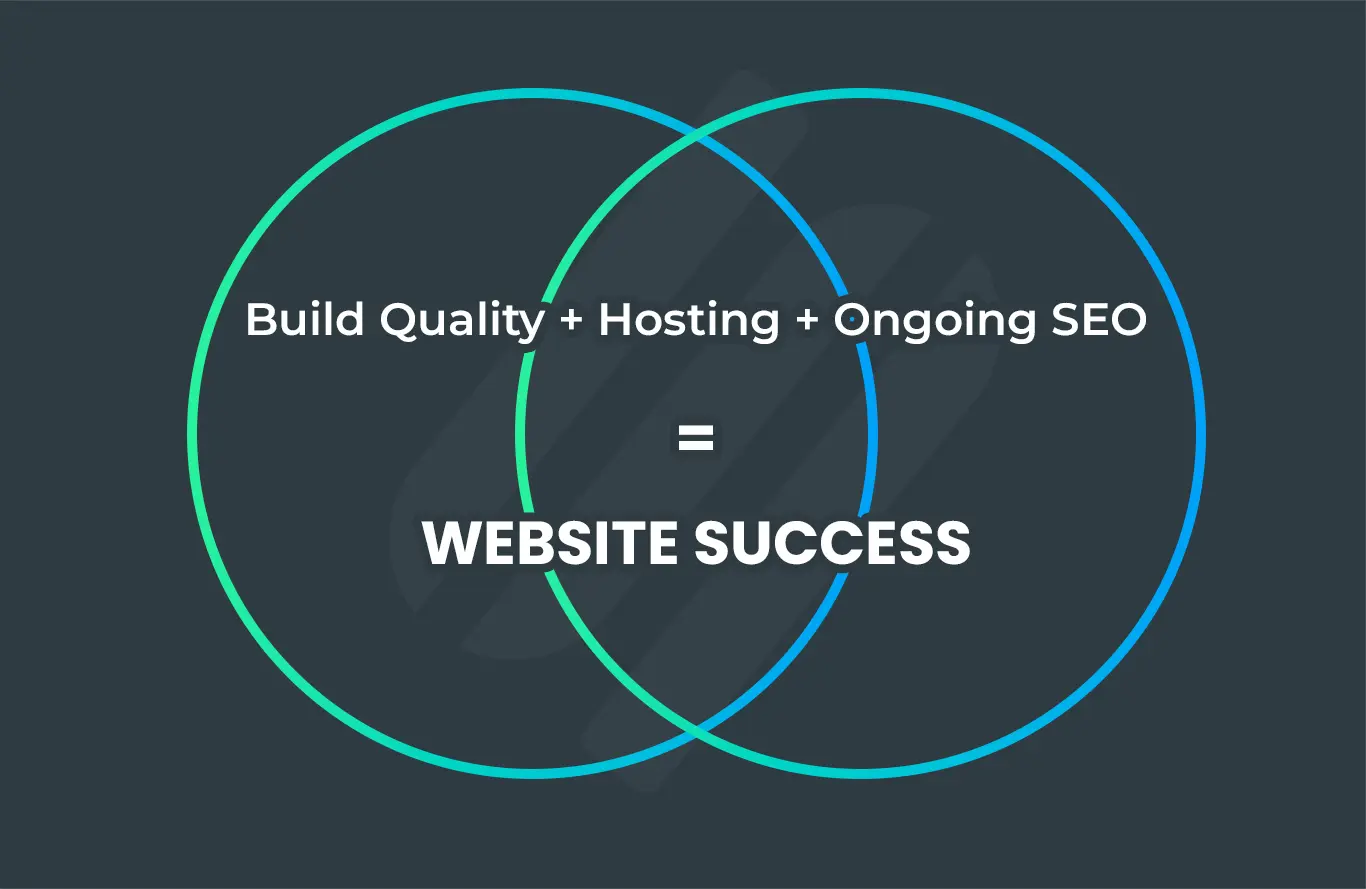
A well-performing website is crucial here. If your site is slow, insecure, or poorly optimised, you’ll lose potential buyers. That’s why CMS Live takes a holistic approach — our hosting, design, and SEO services work together to deliver faster load times, smoother checkout experiences, and higher conversions.
6. Customer Retention Campaigns
Goal: Keep existing customers coming back.
Retaining customers is far cheaper than constantly finding new ones. These campaigns focus on loyalty, repeat purchases, and word-of-mouth referrals.
Ways to retain customers:
- Send helpful updates or special offers
- Maintain your website with fresh, relevant content
- Make it easy for clients to reach you for ongoing support
At CMS Live, many of our long-term clients stay with us for years because we don’t disappear after launch. We host, manage, and support their websites — and that reliability builds trust.
Related reading: How often should you publish new website content?
Choosing the Right Campaign Objective
Selecting the right objective depends on your business stage and current needs. Here’s a quick overview:
| Objective | When to Use It |
|---|---|
| Brand Awareness | Launching a new brand or entering a new market |
| Traffic | Growing visibility or driving visitors to a new website |
| Engagement | Building community and trust |
| Leads | Growing your customer base |
| Sales | Boosting short-term revenue |
| Retention | Increasing loyalty and lifetime value |
Most successful businesses run several of these simultaneously — but with clear intent and measurable goals.
FAQs: Marketing Campaign Objectives
Final Thoughts
Clear campaign objectives turn marketing from guesswork into strategy. Whether you’re building brand visibility, generating leads, or improving conversions, knowing why you’re running a campaign gives you direction — and measurable results.
If you’re planning to grow your online presence, make sure your website and hosting are ready to support it. There’s no point in attracting traffic if your site can’t handle it.
Ready to refine your marketing objectives?
Let’s make your next campaign smarter, faster, and more effective. Get in touch with CMS Live — we’ll help you create a strategy that delivers measurable results and lasting growth.