
Summary
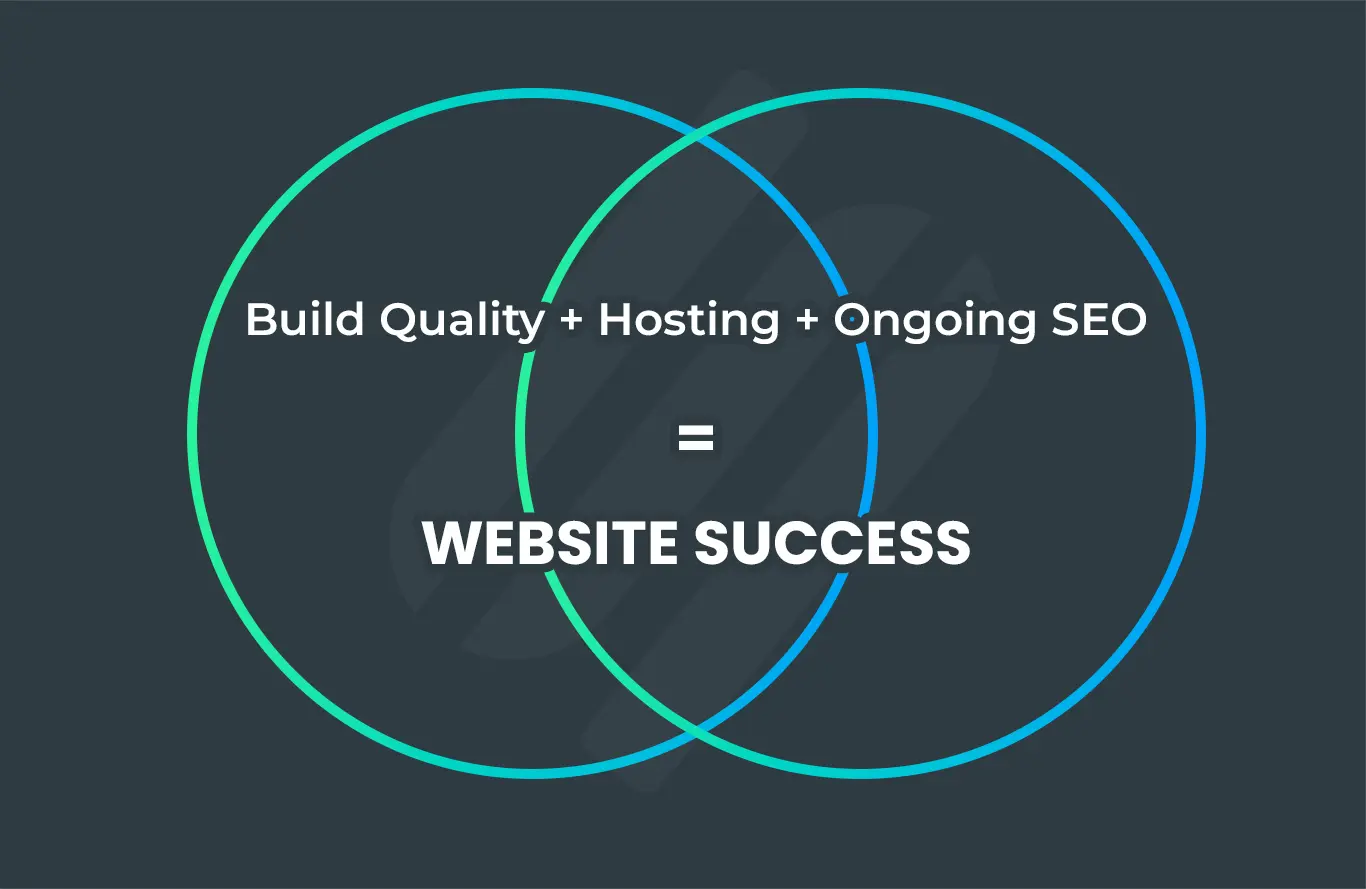
Website speed is crucial for SEO, user experience, and conversions. A slow site can harm search rankings, frustrate visitors, and cost businesses sales. Google considers page speed in its ranking algorithm, and poor performance can push your site down in search results. Slow load times also increase bounce rates and cart abandonment. The good news? Optimising hosting, images, caching, and Core Web Vitals can significantly boost speed. At CMS Live, we ensure websites run fast and efficiently to maximise business success.
You will learn
- SEO & Rankings – Learn how page speed impacts your Google rankings and why Core Web Vitals matter.
- User Experience & Conversions – Discover how slow loading times drive customers away and affect your sales.
- How to Improve Speed – Get actionable steps to optimise your website for faster performance and better results.
Why Website Speed is More Important Than Ever
A beautifully designed website is great - but if it loads at a snail’s pace, it’s costing you visitors, sales, and rankings on Google. Page speed plays a crucial role in user experience, search engine optimisation (SEO), and ultimately, your bottom line. In today’s fast-moving digital world, a slow website can frustrate users and send them straight to your competitors.
If you’re a business owner looking for a web design company that understands SEO and the technical side of performance, keep reading. We’ll explore why website page speed matters, how it affects your business, and what you can do to improve it.
What is Website Page Speed?
Page speed refers to how quickly your web pages load when a visitor lands on your site. It’s influenced by several factors, including:
-
Website design – Bloated code, unoptimised images, and unnecessary scripts can slow things down.
-
Hosting quality – A poor hosting provider or server setup can lead to sluggish performance.
-
User location – Visitors further away from your website’s server may experience longer load times.
-
Browser caching – If your website isn’t caching efficiently, returning visitors won’t benefit from quicker load times.
-
Third-party scripts – Embedded videos, social media feeds, or third-party tracking scripts can impact performance.
With mobile-first indexing in full force, Google primarily evaluates your site’s performance on mobile devices. That means your page speed needs to be fast across all devices - not just desktops.
Why Does Page Speed Matter for Your Business?
1. Google Uses Page Speed as a Ranking Factor
Google wants to serve the best possible results to users, and that includes fast-loading websites. Page speed has been a ranking factor for over a decade, and with the introduction of Core Web Vitals, it’s more important than ever.
Core Web Vitals measure real-world page experience, including:
-
Largest Contentful Paint (LCP) – How quickly the main content loads.
-
First Input Delay (FID) – How fast your site responds to interactions.
-
Cumulative Layout Shift (CLS) – How stable your page layout is (avoiding elements jumping around as they load).
If your website scores poorly on these metrics, Google may push it lower in search results—meaning fewer people will find your business online.
2. A Slow Website Drives Customers Away
Did you know?
-
40% of visitors abandon a website if it takes more than three seconds to load.
-
A one-second delay can lead to a 7% drop in conversions.
-
For eCommerce sites, a two-second delay can increase cart abandonment by 20%.
People expect instant results. If your website is slow, visitors will lose patience and leave—possibly heading straight to a competitor with a faster, more user-friendly experience.
3. Faster Websites Increase Conversions
Speed isn’t just about rankings - it directly affects your sales and leads. Whether you’re running an online store, a service-based business, or a lead generation website, the quicker your site loads, the more likely users are to stay, browse, and take action.
Amazon found that every 100ms of delay cost them 1% in revenue. While your business may not be on Amazon’s scale, the principle remains the same: a slow website is costing you money.
4. Better Page Speed Means a Stronger Brand Perception
User experience is everything. If your site is slow, it reflects badly on your brand. Visitors might assume your business is outdated, unreliable, or simply not worth their time. A fast, seamless website gives the impression of professionalism and efficiency, helping to build trust with potential customers.
How to Improve Your Website’s Page Speed
Every website is different, but here are some proven ways to speed up your site and boost performance.
1. Upgrade to High-Performance Hosting
Cheap hosting might seem like a bargain, but it often means slow load times, unreliable uptime, and poor customer support. Investing in a fast, fully managed hosting solution ensures your website performs well, even under heavy traffic loads.
At CMS Live, we provide high-performance hosting solutions optimised for speed, security, and scalability - ensuring your website runs smoothly at all times.
2. Optimise Images and Media Files
Large images and videos are some of the biggest culprits of slow page speeds. Compressing images without sacrificing quality can significantly reduce load times. Consider:
-
Using WebP format instead of PNG or JPEG for faster loading.
-
Implementing lazy loading, so images only load when they come into view.
-
Using a Content Delivery Network (CDN) to serve images from the closest location to the visitor.
3. Minimise HTTP Requests and Third-Party Scripts
Every external script (such as embedded videos, live chat, and tracking codes) adds extra load time. Audit your site and remove any unnecessary third-party scripts or plugins. Combine CSS and JavaScript files where possible to reduce the number of requests.
4. Enable Browser Caching
Caching allows returning visitors to load your site faster by storing elements of your site in their browser. This reduces the amount of data that needs to be loaded every time someone visits your site.
5. Implement Core Web Vitals Fixes
Use Google’s PageSpeed Insights or Lighthouse to identify and fix specific Core Web Vitals issues. This might include:
-
Reducing server response time.
-
Eliminating render-blocking resources.
-
Deferring offscreen images and scripts.
How CMS Live Can Help
At CMS Live, we don’t just design websites—we ensure they perform at their best. Our team specialises in web design, hosting, and SEO, so we understand the technical side of performance optimisation.
We’ve helped businesses across different industries improve their website speed, increase rankings, and boost conversions. Whether you need a speed audit, a hosting upgrade, or a full website redesign, we can help.
See Our Results
We’ve worked with clients like Robert Brannon Hairdressing, improving their website speed dramatically. Want to see what we can do for your business? Get in touch with us today.
Final Thoughts
Website speed isn’t just a technical issue - it’s a business issue. A slow site can hurt your rankings, drive customers away, and cost you revenue. But with the right optimisations, you can create a fast, user-friendly website that keeps visitors engaged and converts them into customers.
If you’re ready to improve your website’s performance, contact CMS Live today. We’ll help you boost your page speed, enhance your SEO, and ensure your website is working as hard as you are.