Summary
Avoiding common SEO mistakes can help your website rank higher and attract the right visitors. Many business owners focus too much on traffic rather than conversions, neglect user experience, or expect immediate results from SEO efforts. Technical issues, misinterpreting Google’s guidelines, and making decisions based on flawed data can also impact rankings. This guide outlines eight common SEO pitfalls and how to fix them, ensuring your website is optimised for search engines and designed to convert. Learn how to build a sustainable SEO strategy that delivers long-term success.
You will learn
- How to avoid common SEO mistakes that hurt your website’s performance.
- Why user experience and technical SEO matter for search rankings.
- The importance of a long-term SEO strategy for sustainable growth.
Search engine optimisation (SEO) is an essential part of any successful website, but even the best intentions can lead to costly mistakes. If you’re investing in a new website or looking to improve your existing one, avoiding common SEO blunders can save you time, money, and lost opportunities.
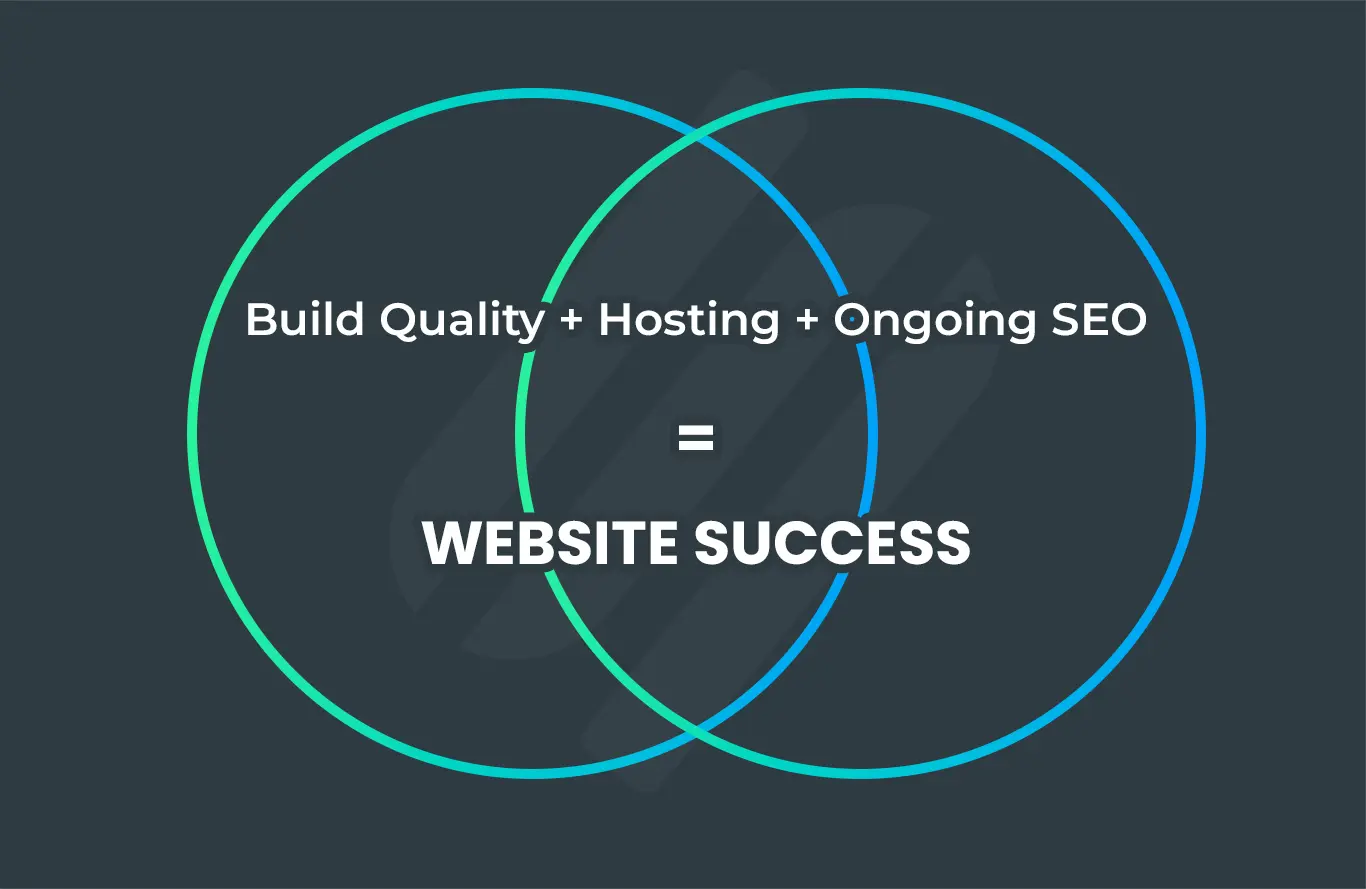
At CMS Live, we don’t just build websites that look good - we build them to perform. That means making sure they’re optimised for search engines while keeping the user experience front and centre. In this guide, we’ll walk you through eight common SEO mistakes business owners make and how to avoid them, so your website can attract the right visitors and convert them into customers.
1. Focusing on Traffic Instead of Conversions
It’s tempting to see organic traffic as the ultimate goal of SEO, but high traffic numbers mean little if visitors aren’t converting into leads or customers. Many businesses invest in SEO to increase visibility, but if that traffic isn’t qualified, it won’t impact your bottom line.
Instead of chasing higher traffic figures, focus on attracting the right audience. Are your visitors engaging with your content? Are they taking action - filling out a contact form, making a purchase, or booking a consultation? Measuring SEO success should go beyond rankings and clicks to include tangible business outcomes like enquiries and sales.
2. Ignoring the User Experience
A well-optimised website isn’t just about search engines - it’s about real people. If your site is slow, difficult to navigate, or filled with generic content, visitors will leave before they even have a chance to convert.
SEO tip: Google prioritises websites that provide a great user experience. Ensure your site loads quickly, is easy to navigate, and provides value to visitors. Your content should answer questions, solve problems, and guide users toward their next step.
3. Short-Term Thinking in SEO Strategy
SEO isn’t a quick fix - it’s a long-term investment. Some businesses expect immediate results and abandon their SEO efforts if they don’t see instant success. Others jump on the latest SEO trend without considering its long-term impact.
A well-planned SEO strategy should span at least 12 months. While search engine algorithms change, your fundamental goal - attracting and converting high-quality traffic - remains the same. Focus on sustainable tactics like quality content, technical optimisation, and a strong user experience.
4. Blaming Google Updates for Traffic Drops
A sudden dip in traffic doesn’t always mean Google has changed the rules. While algorithm updates do affect rankings, other factors - such as technical issues, changes in user behaviour, or increased competition - could be at play.
Before assuming an algorithm update is to blame, investigate:
-
Has traffic dropped across multiple search engines? If so, it’s likely not Google’s fault.
-
Are there technical issues affecting your site’s crawlability or loading speed?
-
Have competitors launched new content that’s outperforming yours?
Regularly monitoring your website’s performance helps you diagnose issues and take action quickly.
5. Making Decisions Based on Inaccurate Data
SEO is data-driven, but using flawed data can lead to poor decisions. One of the most common mistakes is relying on averages or incomplete reports.
For example, if you’re analysing Google Search Console data, make sure you’re segmenting by country, device type, and time period. A general traffic dip might look alarming at first, but breaking it down can reveal insights - perhaps mobile traffic is stable, but desktop visits have dropped, indicating a UX issue.
Invest in accurate tracking and analytics so you can make informed decisions about your SEO strategy.
6. Misunderstanding Google’s Guidelines
There’s a belief among some business owners and SEOs that “Google lies” or deliberately misleads people. In reality, Google’s representatives provide guidance based on their understanding of how search works, but SEO is complex and ever-evolving.
Rather than assuming Google is withholding secrets, focus on best practices that stand the test of time:
-
High-quality, user-focused content.
-
Technically sound website structures.
-
Natural, relevant link-building.
-
Fast, mobile-friendly site experiences.
Test different strategies, but always prioritise what’s best for your audience.
7. Misusing Robots.txt for Indexing
Many businesses assume that blocking a page in their robots.txt file will prevent it from appearing in search results. However, robots.txt only controls what search engines crawl, not what they index. If a page has been indexed before being blocked, it may still appear in search results.
A better way to manage what search engines index is by using the noindex meta tag. But be careful - if a page is blocked in robots.txt, search engines won’t be able to crawl it to see the noindex instruction, which can lead to unintended indexing.
8. Sending Mixed Signals to Search Engines
Conflicting SEO signals can confuse search engines and harm your rankings. Common mistakes include:
-
Using both a
noindextag and a canonical tag on the same page. -
Pointing canonical tags to pages that are also marked
noindex. -
Linking to non-canonical versions of a page, which dilutes SEO value.
-
Using hreflang tags incorrectly, which can prevent proper indexing of international versions of your site.
To avoid these issues, ensure your site’s technical SEO is aligned with your content strategy. If you’re unsure, seek professional guidance - small technical errors can have a big impact on visibility.
Final Thoughts: Learn from Mistakes, but Don’t Make Them Yourself
SEO mistakes happen, even to experienced professionals. But the advantage of working with an SEO-savvy web design company is that you don’t have to learn the hard way. By avoiding these common pitfalls, you can build a website that not only ranks well but also drives real business results.
At CMS Live, we specialise in websites that are optimised for search engines and designed to convert visitors into customers. If you want a website that works as hard as you do, let’s talk.
Want to improve your website’s SEO? Get in touch today to discuss how we can help you build a website that attracts, engages, and converts the right audience.