Summary
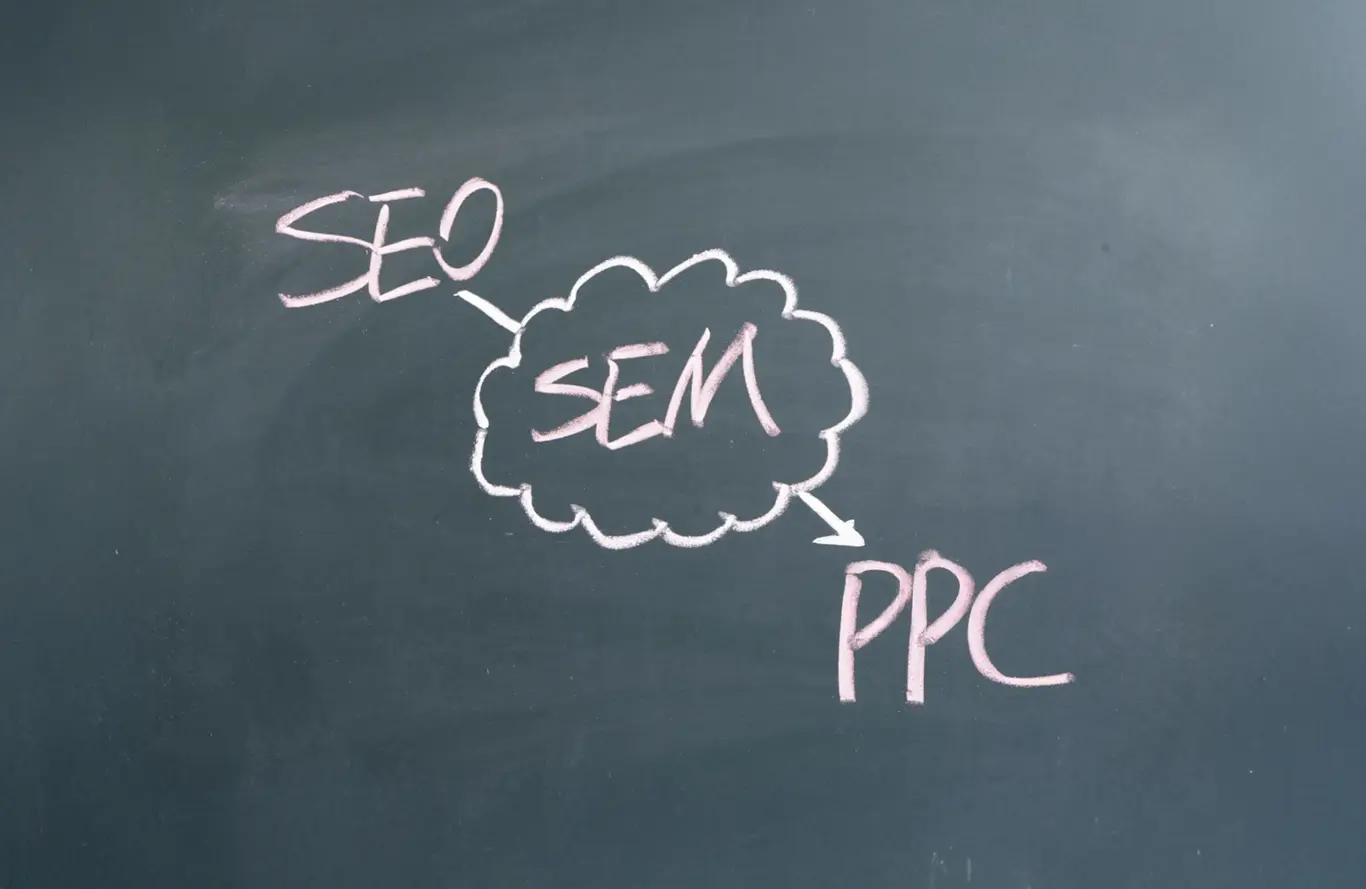
SEO and PPC work best when used together to increase website traffic, visibility, and conversions. While SEO builds long-term organic growth, PPC delivers instant results—but the real power comes when they support each other. PPC can help test keywords for SEO, increase overall click-through rates, and keep your brand visible for highly competitive search terms. Plus, PPC retargeting brings visitors back to your site. Instead of choosing one over the other, a balanced SEO and PPC strategy is the key to sustainable success.
You will learn
- How SEO and PPC work together to improve visibility and conversions.
- How to use PPC to test and refine your SEO strategy for better results.
- Why combining SEO and PPC creates a stronger long-term marketing approach.
When it comes to getting your business seen online, SEO and PPC are two powerful tools. But should you focus on one or both? Many business owners see PPC as a short-term fix and SEO as a long-term strategy. But the truth is, SEO and PPC work best when used together. Done right, they can support each other to get you more visibility, traffic, and conversions.
What’s the Difference Between SEO and PPC?
SEO (Search Engine Optimisation) is all about improving your website’s ranking in organic search results. The goal is to get to the top of search engines like Google without paying for ads. This is done through strategies like:
-
Using relevant keywords in your website content.
-
Creating high-quality, useful content.
-
Improving site speed and user experience.
-
Building links from reputable sites.
SEO is a long-term game—it takes time to build authority and climb the rankings. But once you're up there, organic traffic is essentially free.
PPC (Pay-Per-Click Advertising), on the other hand, lets you pay for instant visibility. Platforms like Google Ads and social media ads allow you to target specific keywords and audiences. You only pay when someone clicks on your ad.
Unlike SEO, PPC gives immediate results. But once you stop paying, the traffic disappears. That’s why a mix of SEO for long-term growth and PPC for short-term wins is often the best approach.
How SEO and PPC Work Together
Many businesses see PPC as a temporary fix while waiting for SEO to take effect. While this is true to some extent, PPC can do more than just fill the gap. Here’s how they can work hand-in-hand:
1. PPC Can Boost SEO Strategy with Keyword Testing
One of the hardest parts of SEO is choosing the right keywords. With SEO, it can take months to see if a keyword will actually drive conversions. But with PPC, you can test keywords instantly.
Here’s how:
-
Run a PPC ad campaign targeting a few keywords you’re considering for SEO.
-
Look at the data: Which keywords get clicks? Which convert into sales or enquiries?
-
Use that data to shape your SEO strategy and optimise your content for the best-performing keywords.
This reduces the risk of investing months into SEO for a keyword that doesn’t perform.
2. PPC and SEO Together Increase Click-Through Rates (CTR)
Ranking #1 on Google is great, but did you know having both a paid ad and an organic listing can increase overall clicks? Studies show that when a brand appears in both organic and paid search results, users are more likely to trustand click on that brand.
Think of PPC as reinforcing your SEO efforts. If someone searches for your services and sees both your ad and your website ranking high organically, they’re more likely to choose you over a competitor.
3. PPC Helps You Show Up for Competitive Keywords
Some keywords are highly competitive, making it difficult to rank organically. If your competitors are dominating the search results, PPC allows you to get instant visibility. This is especially useful for local businesses or highly competitive industries.
For example:
-
If you’re a local electrician, it might take a while to rank organically for “emergency electrician near me.”
-
A PPC ad ensures your business appears at the top of the results while your SEO efforts work in the background.
4. PPC Retargeting Keeps Visitors Engaged
Not all website visitors convert on their first visit. That’s where retargeting ads come in.
-
A visitor finds your website through organic search but doesn’t take action.
-
With a PPC retargeting campaign, they start seeing ads for your business as they browse other websites or social media.
-
This reminds them of your brand and encourages them to come back and convert.
This combination of organic search traffic and PPC retargeting keeps potential customers engaged.
5. The Role of Optimised Hosting in SEO
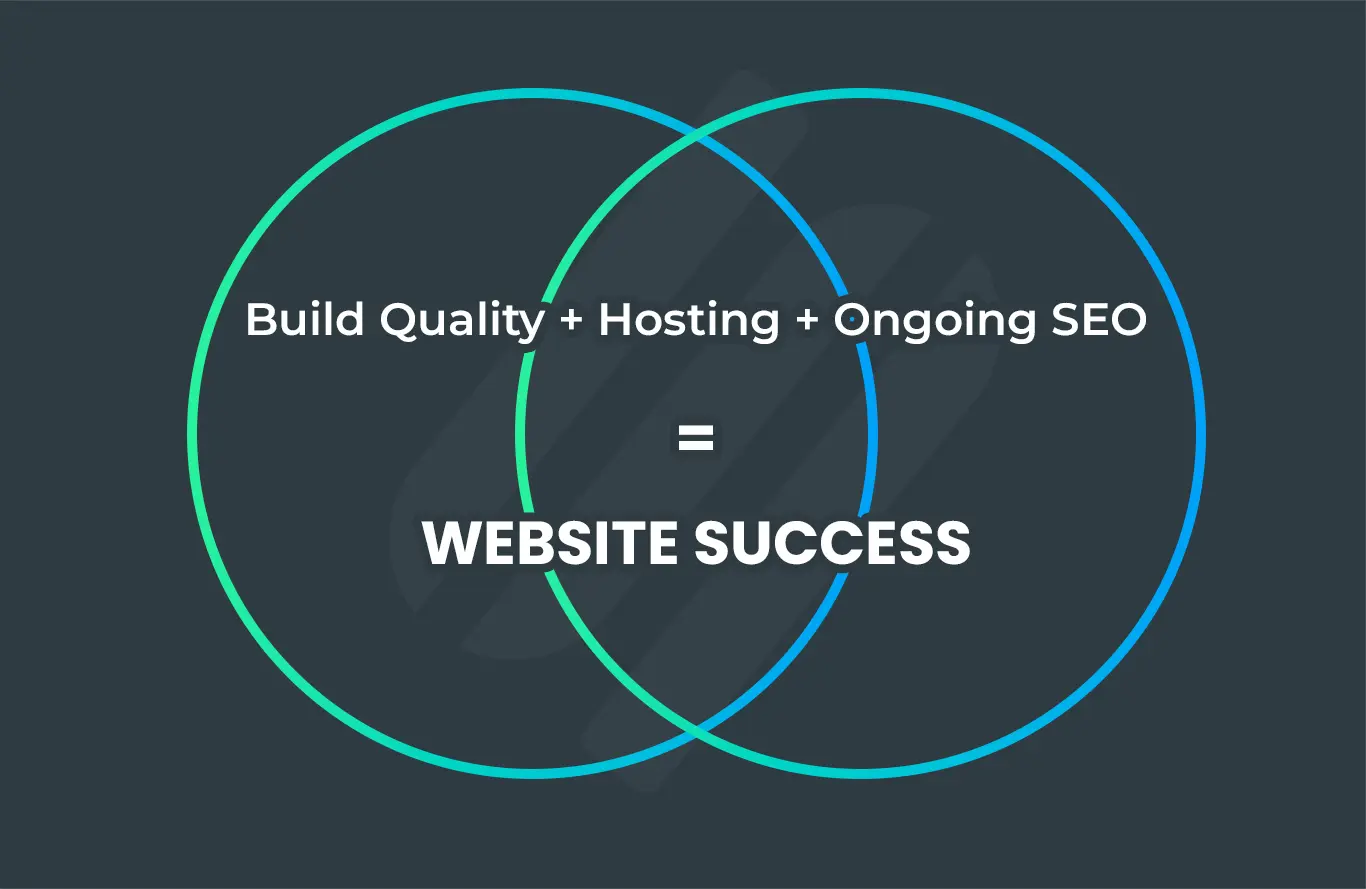
While SEO and PPC drive traffic, a fast and reliable website is essential for converting visitors. Google prioritises sites that load quickly, are secure, and provide a great user experience. That’s why optimised hosting plays a crucial role in SEO success.
A high-performance hosting provider ensures:
-
Faster page load speeds, reducing bounce rates.
-
Enhanced security, protecting your website from downtime and threats.
-
Better uptime, so your website is always available for visitors and search engines.
Investing in fully managed hosting helps keep your website running smoothly, which is essential for both SEO rankings and user experience. Find out more about optimised hosting here.
Should You Stop PPC Once Your SEO is Strong?
It might be tempting to pause PPC ads once you rank well organically. But research shows that around 50% of clicks from PPC ads are not replaced by organic traffic when ads are turned off.
Instead of stopping PPC completely, consider adjusting your strategy:
-
Reduce spending on keywords where you already rank well organically.
-
Focus PPC on highly competitive keywords that are harder to rank for.
-
Use PPC for seasonal promotions or new product launches.
The Best Approach: A Balanced SEO & PPC Strategy
Relying solely on SEO or PPC is not the best approach. Instead, using them together creates a more effective digital marketing strategy. Here’s a simple way to balance both:
-
Use PPC to test and refine your SEO strategy (keyword testing).
-
Run PPC ads on competitive keywords while your SEO efforts build authority.
-
Use PPC for retargeting ads to bring organic visitors back to your site.
-
Monitor SEO performance and adjust PPC spending accordingly.
Final Thoughts
SEO and PPC are not competitors—they work together to help you get the best results. PPC gives you instant visibility, while SEO builds long-term credibility and free organic traffic. When combined, they create a powerful strategy to grow your business online.
If you need help with SEO, PPC, or a fully managed strategy, CMS Live is here to help. Get in touch, and let’s make your website work smarter for your business!